Universal Data Skills
This course has the potential to revolutionise the way data is used in your organisation. Far too often, data used at a senior level is geared up for reporting purposes, often aimed at a regulatory body. This can mean that the data needed to improve the organisation is not being collected or used.
Universal Data Skills works at both a strategic and tactical level. How to use data to set and measure the progress of strategy and KPIs sits alongside what type of graph is best used to display this. It is this blend of good theory and practical application put together in a straightforward framework that makes Universal Data Skills unique.
 |
 |
 |
 |
|||
| Universal Data Skills for South Yorkshire Housing Association |
Universal Data Skills for Weaver Vale Housing Trust |
Universal Data Skills for Great Yarmouth Community Trust |
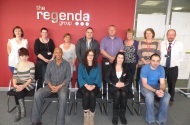
Universal Data Skills for The Regenda Group |
Duration and who should attend
Duration
3 days
Who should attend?
| • | Chief Executives, Directors, senior and middle managers |
| • | Anyone involved in setting strategy |
| • | Anyone involved in performance measurement at a departmental or organisational level |
| • | Analysts and statisticians |
This course is ideal for graduates of Universal Improvement Skills, the Strategic Improvement Programme or the Facilitator Development Programme. The contents of Universal Data Skills build on what has already been learned so this prior experience is important.
Style and structure of the course
This is not a course about data. It is a course about using data to improve your organisation.
This is a highly practical course and you will be able to apply it immediately in the workplace. There are plenty of exercises and time for you to apply the learning to your own real-life situations and data with our help.
What participants will learn
| • | Nine principles that underpin the use of data in organisational improvement | ||||||||||||||||
| • | How data fits with the other elements of organisational improvement | ||||||||||||||||
| • | Statistical Process Control (SPC) - how variation affects your processes and how to use SPC to go about reducing this to guarantee predictability and reliability | ||||||||||||||||
| • | Variation - what it is, the differences between Special and Common Causes, why it is important | ||||||||||||||||
| • | How to produce and interpret Control Charts, the Standard Deviation, calculating Control Limits, looking for patterns - nothing special going on, blips, shifts, drifts and chaos | ||||||||||||||||
| • | Process Capability and targets | ||||||||||||||||
| • | How your 'common sense' approach to using data may be ruining your organisation | ||||||||||||||||
| • | How to use Pareto Charts and Ishikawa Diagrams in the context of data analysis | ||||||||||||||||
| • | How to use data to identify projects | ||||||||||||||||
| • | How to collect and analyse customer satisfaction data | ||||||||||||||||
| • | Better use of graphs including tips for good graphs and why to avoid 3D | ||||||||||||||||
| • | How to select and use the best graph to present your data including:
|
||||||||||||||||
| • | How to analyse data - looking for meaning and drawing conclusions, learning to hear what the data is telling you | ||||||||||||||||
| • | Dashboards - what they are, where the ideas come from, how to design and use them | ||||||||||||||||
| • | How to keep your regulatory bodies happy and not confuse the data you collect for reporting purposes with the data you use to improve your organisation | ||||||||||||||||
| • | How to save time and money by cutting out unnecessary production of data | ||||||||||||||||
| • | The Data Collection, Display and Analysis Methodology |
The Experiment on the Red Beads
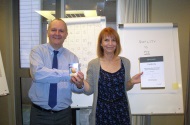
Participants also experience Dr Deming's famous Experiment on the Red Beads.
 |
 |
 |
 |
Download
Click here for the Universal Data Skills Briefing Note.